November, 2026
Mamsha Al Saadiyat: Beachfront Living in the Cultural District
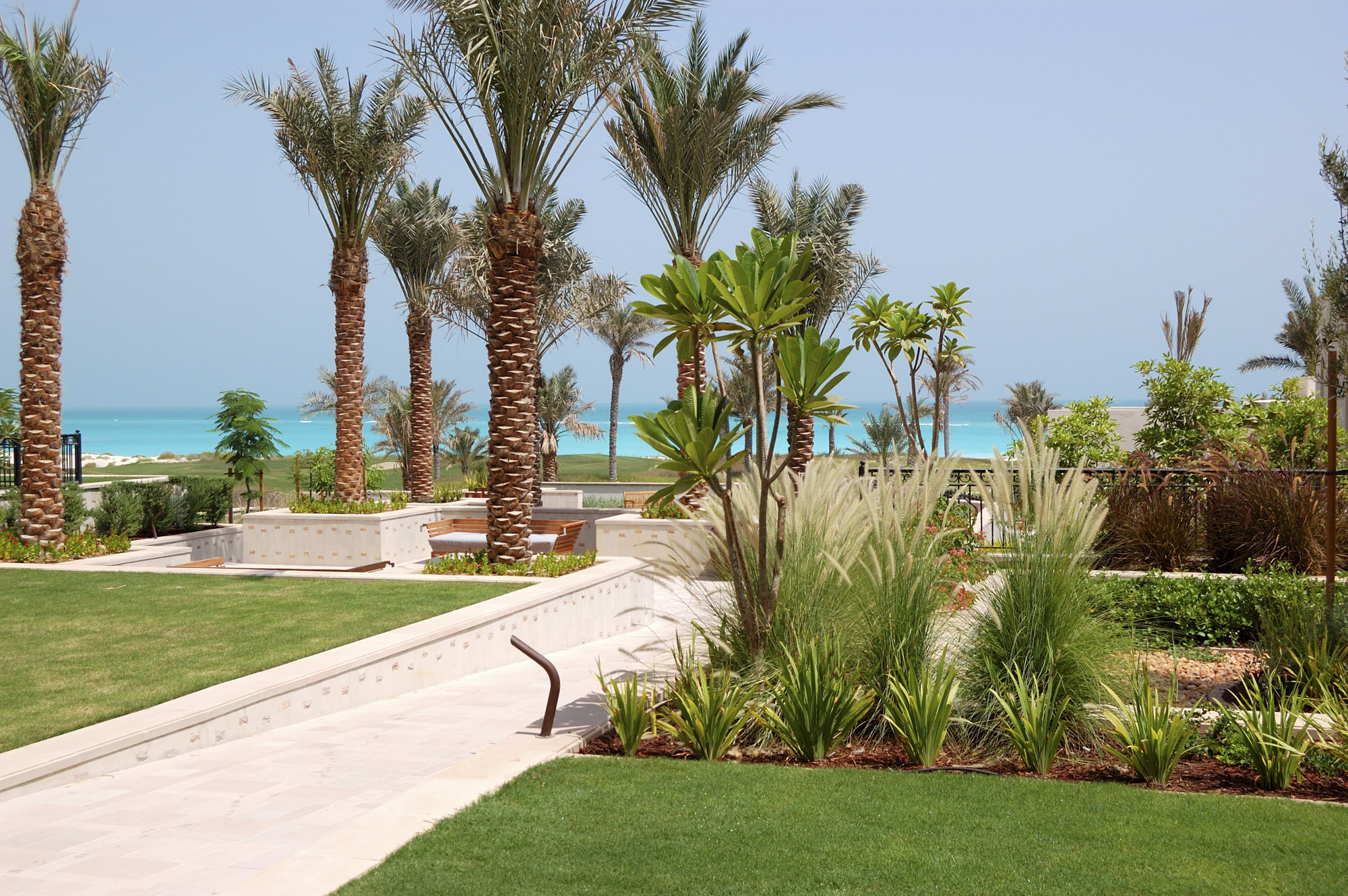
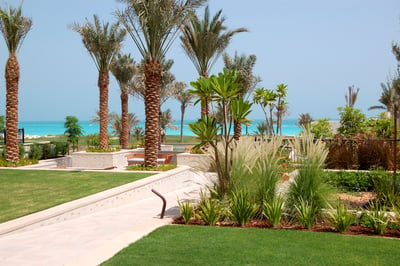
Nine low buildings follow the shore at Mamsha Al Saadiyat, their terraces turned towards the Gulf and a promen...
Explore moreLatest stories
November, 2026
Nine low buildings follow the shore at Mamsha Al Saadiyat, their terraces turned towards the Gulf and a promen...
Explore moreNovember, 2026
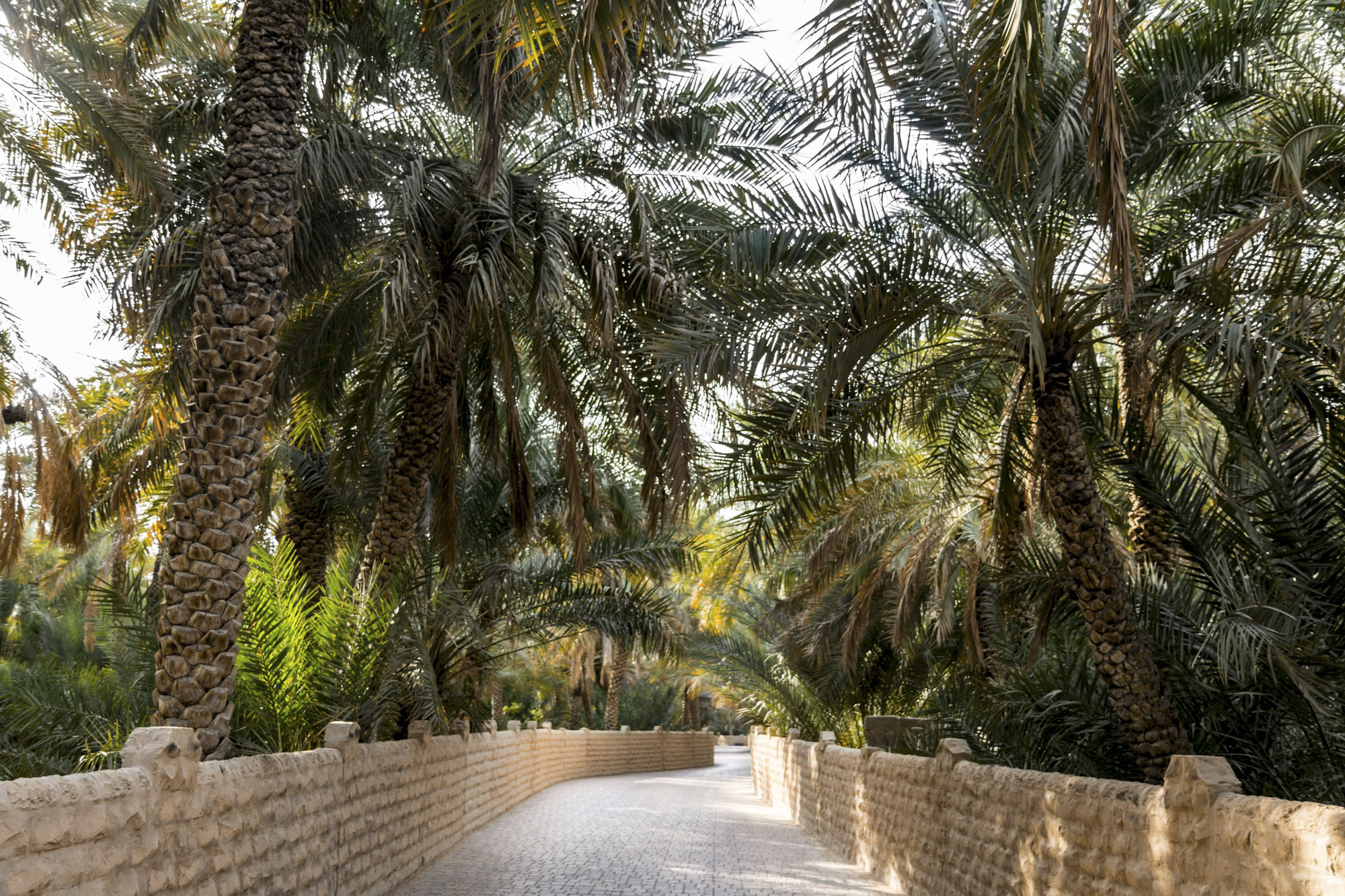
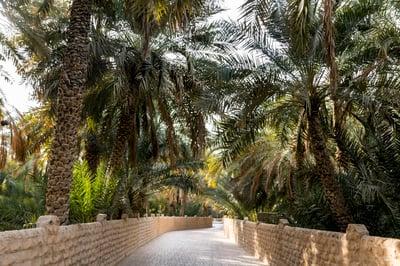
A narrow path runs between the palm gardens of Al Ain Oasis, with earthen walls on either side and a canopy of...
Explore moreNovember, 2026
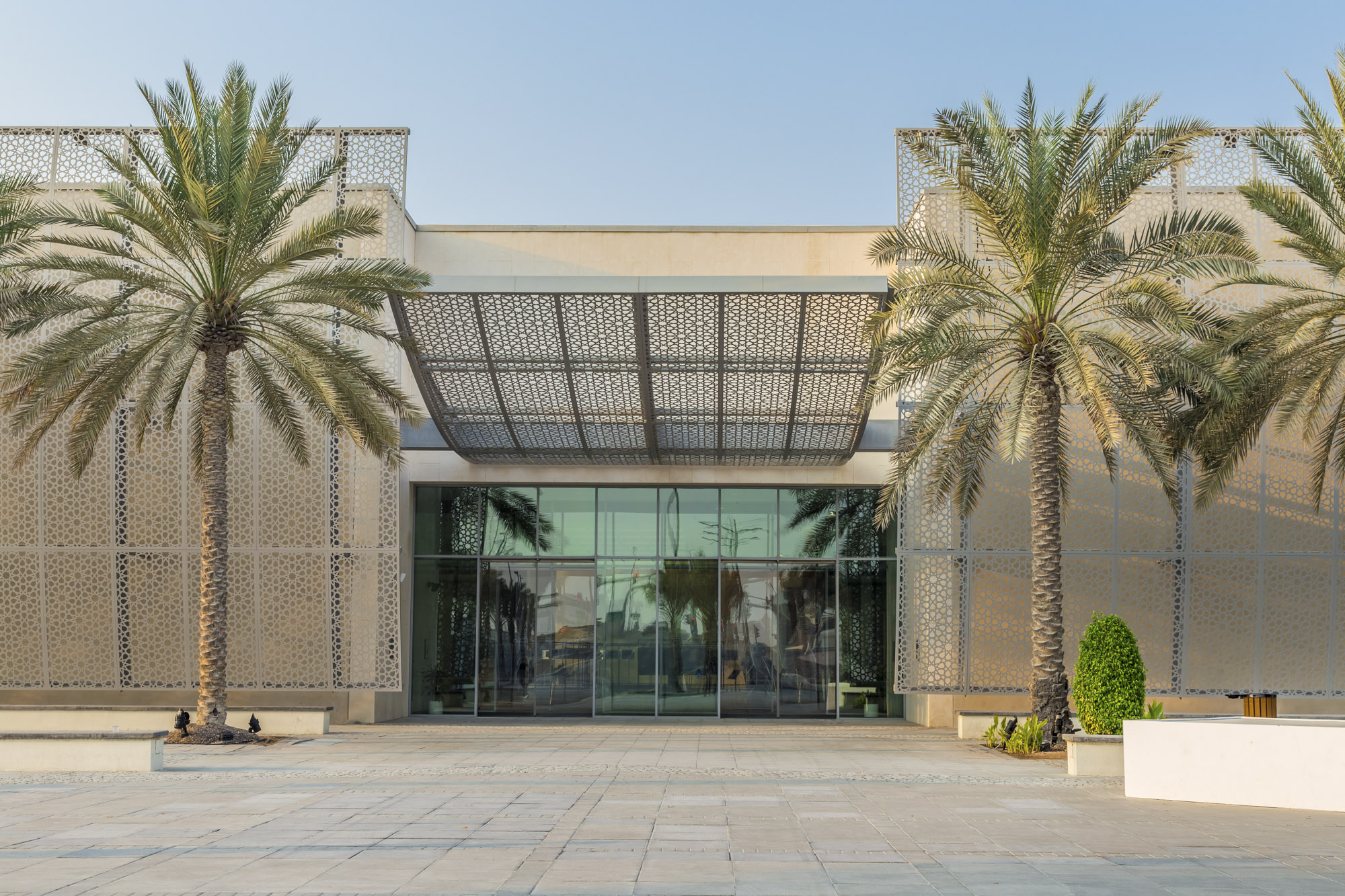
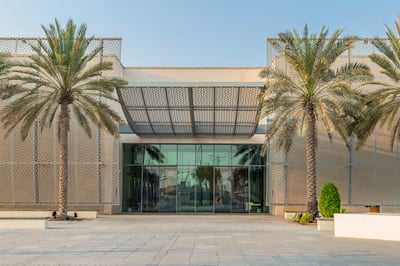
Long before the dome of Louvre Abu Dhabi rose over the water, part of its collection had already been seen on ...
Explore morePublished: 11 February 2026
Ramadan 2026 is expected to begin in mid-February, subject to moon sighting. During the Holy Month, Muslims around the world fast daily and embrace spiritual reflection and self-discipline. The fast lasts from sunrise to sunset for 29 or 30 days, traditionally broken with dates and Ramadan juices at the call to prayer, followed by Iftar. Each evening, families and loved ones gather to break their fast, and Abu Dhabi offers plenty of places worth bookmarking for Iftar. Below are ten of the city's finest Ramadan venues.

Set right on the water's edge within the Palace grounds, Majlis by the Sea is the Palace's main Ramadan venue. The name references the traditional Middle Eastern gathering space used for family and community. Classic Ramadan juices open the evening - jellab, qamar al-deen, tamarhindi, fresh laban – before warming soups arrive. The Emirati dishes that follow include veal harees, lamb thareed, chicken margouga and whole ouzi with oriental rice.
Sand & Koal sits on the Palace beachfront, and the location alone makes it worth knowing about. The baby lamb ouzi has built up quite a following – it comes loaded with spicy cashews, fresh zaatar, sage, raisins, aioli, harissa, bomba rice and confit lemon. The grilled khameer bread, served with date paste, honey, and sesame, makes a strong start. Live music runs most nights (including oud and qanun performances), and the ambience is relaxed and easy.
Saadiyat Beach Club lets guests choose their setup. Private cabanas set into the dunes suit those wanting privacy, while tables on the open lawn facing the sea work for groups preferring a more social atmosphere. The Iftar begins with dates, dried fruits and Ramadan juices (jallab, laban ayran, tamarind, qamardine), then moves into Middle Eastern and South Asian dishes like lamb harees, prawn machbous and shish barak. The cabana option feels removed from everything.
Al Meylas keeps things rooted in Emirati cuisine – slow-cooked harees, harissa-marinated grilled shafi, and machboos with a choice of lamb, chicken or shrimp. The space itself is contemporary with glass walls overlooking the waterfront, and there's a terrace that catches the evening breeze for those wanting to sit outside. Indoor seating suits those who prefer the air conditioning. The food is classic; the interiors are sleek.
Eighteen floors up with floor-to-ceiling windows framing the Presidential Palace and Corniche skyline, the view here is unbeatable. As the sun sets, the city lights come on one by one and the pace of the room eases. The buffet is generous with Middle Eastern cold mezze, chicken molokhia and lamb harees, plus live cooking stations doing mixed grill, lamb ouzi and falafel. It’s busy but never feels chaotic thanks to the scale of the space.
An oud player sets the mood at Mijana before the menu arrives. Recognised by the Michelin Guide for authentic Middle Eastern cuisine, the restaurant serves an Iftar set menu – mezze platters, grilled meats, and slow-cooked stews. Located inside the Ritz-Carlton Grand Canal, it feels peaceful despite the grand surroundings.
The buffet here is lavish – Middle Eastern classics alongside international dishes - and it overlooks Khor Al Maqta Creek. Guests can choose between the main dining room or the poolside terrace, and those wanting more privacy can book one of the poolside cabanas. The creek views at sunset are particularly beautiful, especially when the call to prayer echoes across the water.
99 Sushi is different in the best way. After the traditional dates, diners move straight into wagyu gyoza and dragonfly maki. Lamb chops come with miso black garlic jus, and dessert is yuzu cheesecake paired with kunafa ice cream. It's a Japanese technique meeting the Iftar tradition, and it works surprisingly well. A good choice for those looking for something new.
COYA's interiors are dramatic – all dark wood and statement lighting – and the atmosphere stays lively throughout the evening. The iftar menu opens with sharing starters before moving into mains like wagyu beef orzo risotto, grilled baby chicken and mushroom bomba rice. Dessert is where things get theatrical: saffron pavlova with date cream, figs, passion fruit and mango ice cream. Peruvian flavours run throughout the menu, making this one of the more distinctive iftars in the city.
Glamorous, pink, and fully aware of it – Flamingo Room has been photographed a thousand times and for good reason. The Iftar starts with dates and roast capsicum soup before moving to sharing plates (butternut carpaccio, Texas salad, prawns). Mains include chicken schnitzel, corn and burrata ravioli, or crab fettuccine from the truffle menu. Baked Alaska and Amira round things off. Service runs late into the night, so it works well for guests whose evening plans extend past dinner.
As Iftar time descends over Abu Dhabi and sunset approaches, the city quiets down. Traffic builds as people head home or to restaurants. Near Sheikh Zayed Grand Mosque, the Ramadan cannon fires at sunset to signal the end of the day's fast – a centuries-old practice that continues today.
The atmosphere changes the moment the call to prayer sounds. Restaurants fill quickly, dates and Ramadan juices appear on tables, and the pace of the evening slows. What follows is typically unhurried – time for conversation, multiple courses, and the kind of gathering that extends well past the meal itself.
During Ramadan, timings shift across the city:
Iftar during Ramadan remains what it's always been – a moment to gather after the day's fast. The ten venues listed here understand that. Some lean classic, others bring unexpected elements, but all provide a space appropriate for the occasion.