Published: 9 January 2026
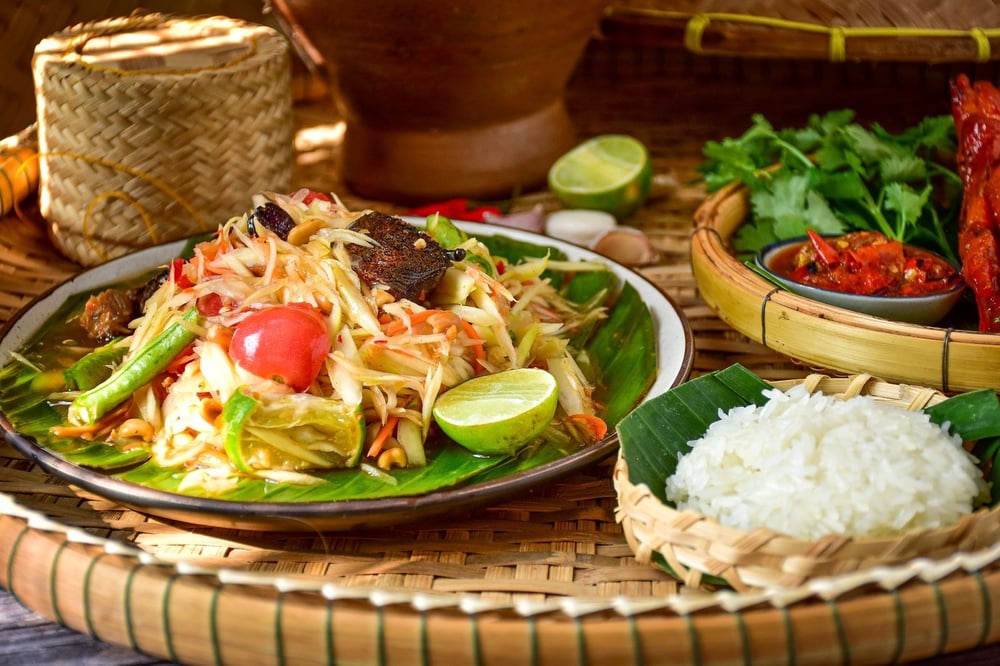
Thai cuisine is known for its artistic calibration and mixing of flavours. Sweet, sour, salty and spicy notes, with an occasional hint of bitterness, are arranged in deliberate manner to create what is often described as a skilful combination of contrasts. Rarely does a single dish contain all flavours at once. Instead, meals are conceived as communal experiences, with each dish contributing one flavour to a carefully balanced whole. Set at the centre of the table and shared among diners, the meal becomes both a culinary and social ritual. This philosophy extends even to the act of eating with ingredients cut into bite-sized pieces and eased onto a spoon with a fork, leaving no need for a knife.
Within Abu Dhabi’s dining ecosystem, authenticity and standards are constantly reassessed, that is why Thai cuisine, with its dependence on natural flavours such as lemon grass and kafeer, caters to diners with a heightened sensitivity to nuance, freshness and genuine culinary experience. In the UAE capital, Thai food is found anywhere from luxury hotels overlooking the Arabian shores to polished dining rooms along the Corniche and more modest neighbourhoods. In all cases, the essence is well-kept – herb-filled plates, layered flavours, and an emphasis on balance.
Sontaya
Occupying a set of floating pavilions at The St. Regis Saadiyat Island Resort, Sontaya captures the essence of Thai and Southeast Asian dining perfectly with its authentic atmosphere and flavours. The restaurant unfolds as a series of open-air and indoor spaces framed by shimmering pools and views across the sea. Interiors combine patterned floors, textured walls, low lighting, and jewel-toned furnishings, which create a sense of intimacy, while the surrounding water lends an air of calm, particularly as evening settles.
The menu reflects the principles that define Thai cuisine, favouring balance and contrast. Fresh aromatics such as lemongrass, galangal, kaffir lime, and basil are highlights in dishes that move fluidly between seafood, curries, wok-fired preparations, and sharing plates inspired by regional Southeast Asian traditions. King crab, lobster, prawns, and sea bass are purveyed alongside flavourful curries and salads, while rice and noodle dishes serve as the menu's steady foundation. Food presentation combines colour, fragrance and texture to give diners a multi- sensory experience.
Silk & Spice Thai Restaurant and Bar
Located within Sofitel Abu Dhabi Corniche and listed as a Michelin Selected Restaurant, Silk & Spice presents Thai cuisine through a lens of refinement, authenticity, and quiet confidence. The dining room is softly atmospheric, defined by warm lighting, Thai design references, and expansive windows overlooking the Corniche, allowing the setting to shift naturally from relaxed daytime dining to a more intimate evening mood. The interior is subtly elegant, creating a space where the cuisine remains firmly at the centre of the experience.
The menu reflects Thailand’s regional diversity, moving fluidly between slow-cooked northern curries, central Thai salads, and delicately balanced soups created using fresh aromatic staples such as lemongrass, galangal, kaffir lime leaves, and tamarind. At the helm is Thai chef Navaphon Peansing, who places particular emphasis on flavour integrity and technique rooted in personal heritage. Signature preparations, including variations of tom yum, are inspired by the chef’s upbringing in north-eastern Thailand. Throughout the menu, careful seasoning and measured heat allow sweet, sour, salty, and spicy elements to coexist harmoniously. Silk & Spice is a polished example of hotel-based Thai dining in Abu Dhabi, featuring tradition, setting and consistency which form the quiet forces behind its reputation.
Benjarong
Benjarong, sitting within Dusit Thani Abu Dhabi, represents one of the capital’s most established expressions of refined Thai dining. This venue specialises in royal Thai cuisine, drawing on recipes traditionally associated with Thailand’s courtly kitchens. The dining room itself reflects a deep heritage rich in jewel tones, gold detailing, and sculptural lighting, creating a space that feels formal yet welcoming, with Thai design motifs subtly woven into a contemporary hotel setting.
In the kitchen, the focus is on the classical Thai principle, adding deeply perfumed curries and crispy, fresh salads, as well as seafood and meat dishes that are executed using authentic Thai methods. Inside, it features gold detailing and layered lighting, forming a richly textured dining room. Hand-woven lanterns and sculptural light installations are there to reference traditional Thai festivals.
Bua Thai Café
Tucked along Yas Bay Waterfront, Bua Thai Café is a small, quietly confident restaurant that has earned an outsized reputation for authenticity. Part of the award-winning Desert Lotus Group, it is led by founder Chef Buaban C. Tucker, whose culinary journey began in 2015 when she prepared home-cooked meals for victims of the Nepal earthquake. That spirit of care and sincerity continues to shape the café today. The space itself is deliberately intimate, seating around twenty guests, with blue and purple velvet chairs, softened lighting, and a relaxed, almost residential character. An outdoor terrace overlooks the sea and serves as a calm vantage point for waterside dining. Modest in scale yet consistently busy, the restaurant has earned its status as a cult favourite.
The kitchen is focused on traditional Thai comfort dishes with classics such as Pad Thai, green curry, Tom Yum, and massaman curry in high demand, while select house specialities lend the menu a sense of uniqueness without straying from tradition. Bua Thai cafe’s commitment to flavour, consistency, and value was formally recognised with a Michelin Bib Gourmand in 2026.
Pachaylen
Found within the Anantara Eastern Mangroves Hotel & Spa, Pachaylen remains one of Abu Dhabi’s most recognised Thai fine dining, defined by its tranquil setting and the precision of its cooking. Named after the Thai word for “mangrove,” the restaurant looks out over the protected forests that fringe the hotel, where diners can enjoy a sense of calm detachment and a distance from the pace of the city beyond.
The interior is rich with deep purples, gold accents, silk drapery, carved wood details, and traditional Thai statues. An open kitchen and chef’s table are highlights while maintaining an intimate scale, with seating limited to just over fifty guests.
With an entirely Thai team and traditional dress, the restaurant focuses on classic dishes, remaining faithful to traditional flavours over inventing new ones. Signature plates include slow-cooked massaman lamb, delicately dressed pomelo salad, traditional Tom Yam Kung and Tom Kha Kai soups, as well as crisp prawn cakes and soft-shell crab.
A Significant Evolution
Thai cuisine in Abu Dhabi has evolved significantly and been shaped by authenticity. Its credibility is set based on international benchmarks such as the Thai SELECT certification, a mark that signals adherence to traditional techniques, imported ingredients, and culinary standards recognised by the Royal Thai Government. Even though it was once firmly established within luxury hotels, Thai cuisine has since found a second home in smaller, community-driven restaurants that prioritise regional cooking, warmth and accessibility.
This evolution has taken Thai cuisine in Abu Dhabi beyond restaurants and into the city’s cultural life. Annual Thai Festivals, often held at Umm Al Emarat Park and Sheikha Fatima Park in collaboration with the Royal Thai Embassy and the Tourism Authority of Thailand, attract thousands of visitors. Featuring traditional performances, Muay Thai demonstrations, workshops, and community participation, these events position Thai food as both a cultural and social bridge within Abu Dhabi.