Published: 20 May 2026
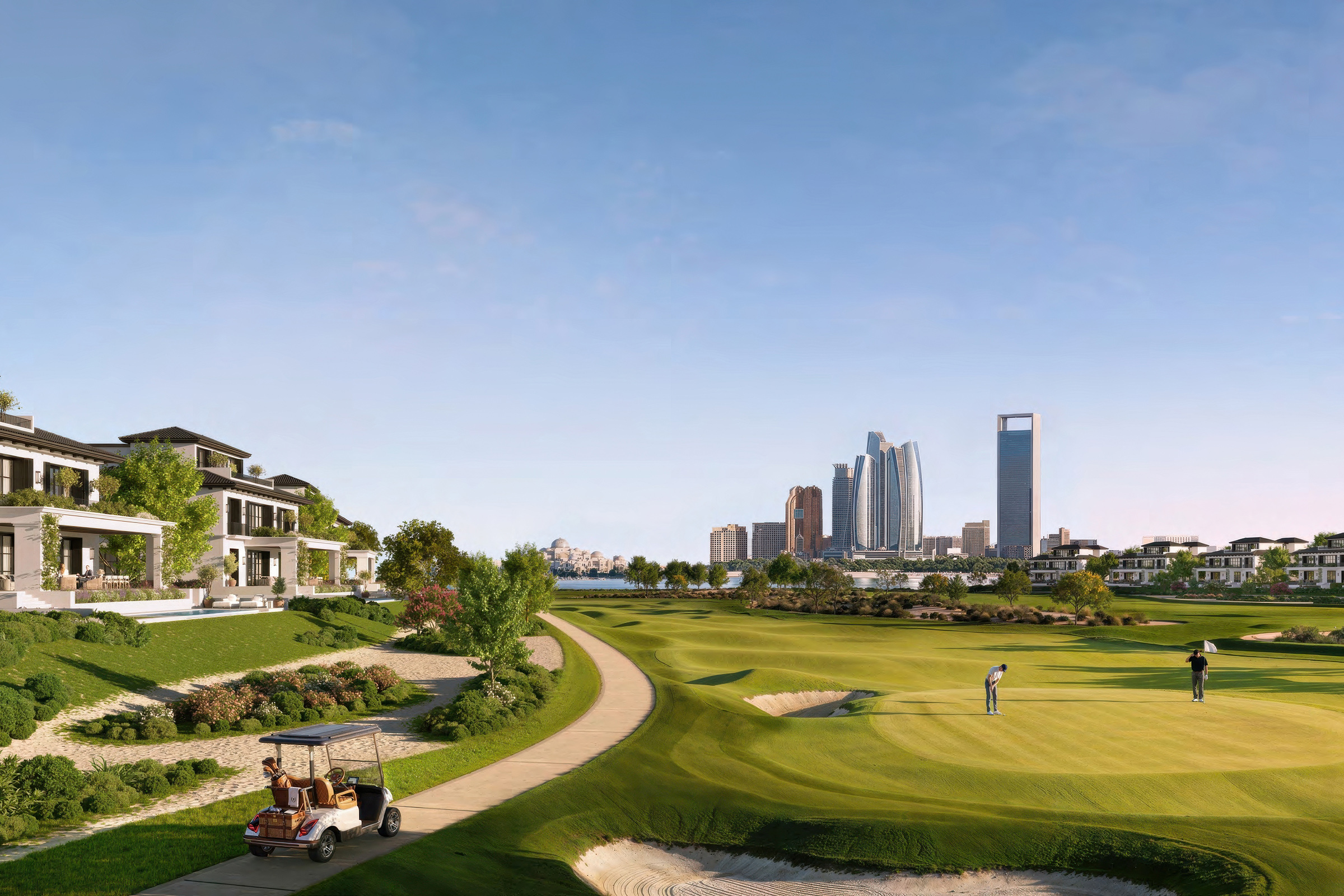
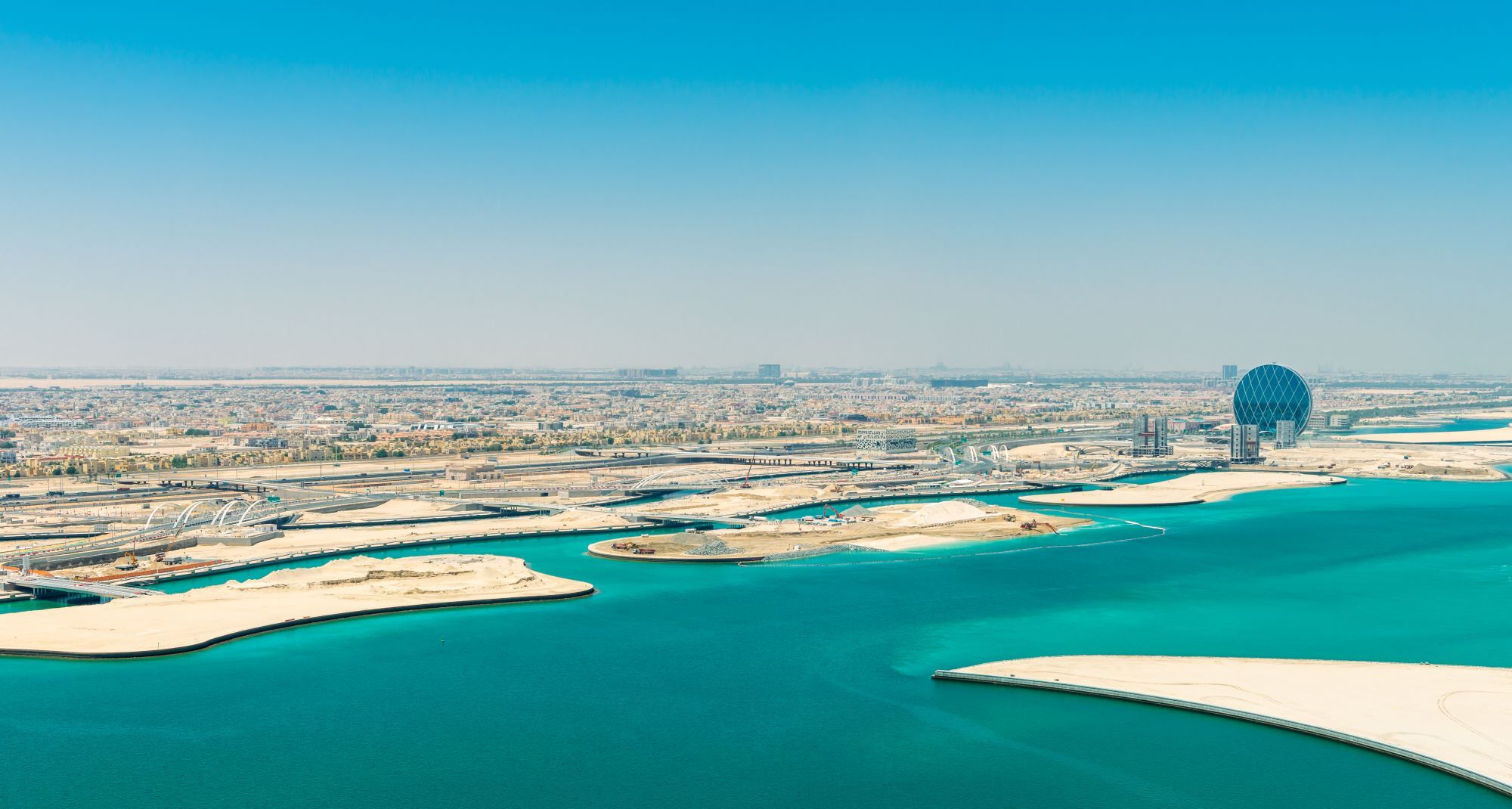
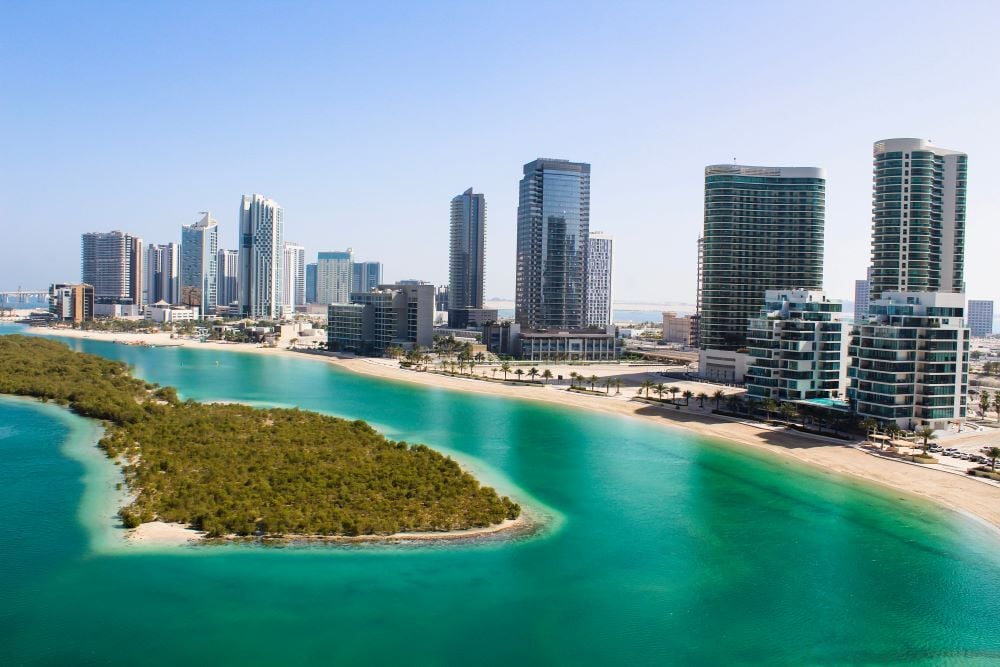
In north-eastern Abu Dhabi, Al Reem Island sits just off the mainland, linked by bridges to the capital, Al Maryah Island, Saadiyat Island, and the wider city road network. It is shaped by residential and commercial towers, waterfront routes, and a growing network of everyday services. Its reputation is tied to urban island living, with homes, schools, retail, healthcare, and parks all gathered within a compact waterfront setting.
Al Reem has a rhythm of its own. Its towers are part of Abu Dhabi’s skyline, its malls and schools are already in daily use, and its roads carry the ordinary movement of a working residential district. Office commutes, school runs, supermarket visits, and evening walks all sit within the same compact setting. That everyday usefulness is a large part of its appeal.
Housing And Residential Character
Homes rise around the waterfront across Al Reem. The island’s residential character is shaped by apartment towers, high-floor views, and a broad choice of established communities, many with retail, parks, and daily services close at hand. For residents drawn to apartment living, Al Reem works because the practical pieces are already close together: city access, schools, shopping, healthcare, and the waterfront
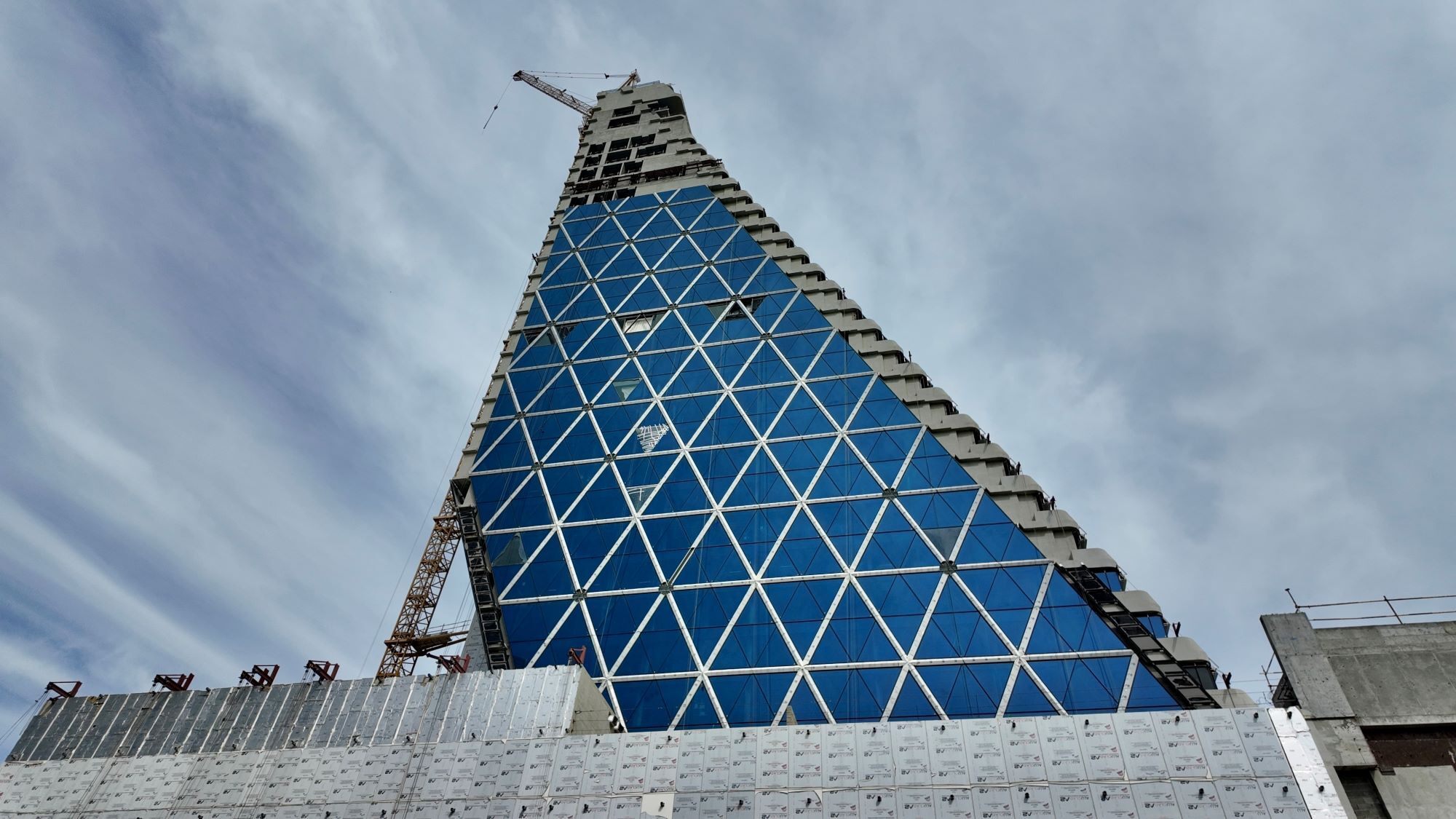
The Gate Towers are still a useful starting point. Three glass towers are linked at the top by a sky bridge, with penthouses set high above the city. Together with The Arc Towers, the wider Gate and Arc community brings a substantial residential and retail presence to the island, with panoramic views and a position close to the capital’s centre.
Sun and Sky Towers offer another established version of high-rise living on Reem. The development includes apartments and penthouses, with gyms, children’s activities, a sports court, nursery, spa, and indoor and outdoor Jacuzzis among its facilities. It is one of the addresses that helped make Reem popular with residents looking for city convenience beside the water.
The Shams Abu Dhabi district brings together many of the things residents use day to day. The district brings homes, retail, and community facilities close to Gate Towers, Shams Central Park, Sun and Sky Towers, Shams Boutik, Repton School, Sorbonne University Abu Dhabi, the beach, and marina areas. This is one of the parts of Reem where the island feels most complete, with daily services arranged within easy reach.
Makers District gives Reem a design-led pocket with a different character. The 18-hectare waterfront masterplan, developed by IMKAN, brings together residential, hospitality, commercial, and retail spaces with a focus on culture and creativity. Pixel is its clearest residential expression, with seven towers, 525 residences, retail and commercial space arranged around a pedestrianised plaza. It adds a boutique, creative note to the island’s wider residential mix.
Newer schemes are keeping Al Reem in motion. Muheira, Modon’s first freehold residential towers on the island, brings 475 one- to three-bedroom apartments close to Abu Dhabi Global Market and a waterfront promenade with jogging and cycling tracks. Its launch was quickly absorbed, selling out on the first day and generating approximately AED 1 billion, which says much about the appetite for well-placed homes on the island.
Retail, Dining and Daily Convenience
Al Reem’s strongest everyday advantage is convenience. The island has reached the point where residents can handle much of the week close to home, from groceries and coffee to family meals, healthcare appointments, and indoor entertainment. Reem Mall is the main retail anchor, with hundreds of shops, around 85 restaurants and cafés, Carrefour Hypermarket, Snow Abu Dhabi, and dining names such as Eataly adding both practical and more polished choices.
Shams Boutik gives the island a smaller, local rhythm, with Waitrose, cafés, pharmacies and casual dining serving the kind of errands residents notice most during the week. Around Reem Central Park, cafés and casual restaurants add a more open-air layer, while Makers District and Cove Beach bring a stronger waterfront dining and beach-club element to the island.
Dining on Al Reem is still largely shaped by malls, cafés, waterfront settings, and neighbourhood favourites, which suits the way the island functions. Weekday dinners, family meals, coffee stops, and grocery runs can stay close to home, while Al Maryah and Saadiyat remain nearby for a broader restaurant circuit. This is where Reem works particularly well: not through one grand dining strip, but through a practical spread of places residents can use without making a full journey out of it.
Parks, Waterfront Life and Open Space
Al Reem is built at the city scale, yet its parks and waterfront routes give residents room to step out of that density. Al Fay Park is one of the island’s strongest outdoor assets, with native planting, shaded paths, sports facilities, and children’s play areas. It brings a softer texture to a district otherwise known for towers, bridges, and podiums.
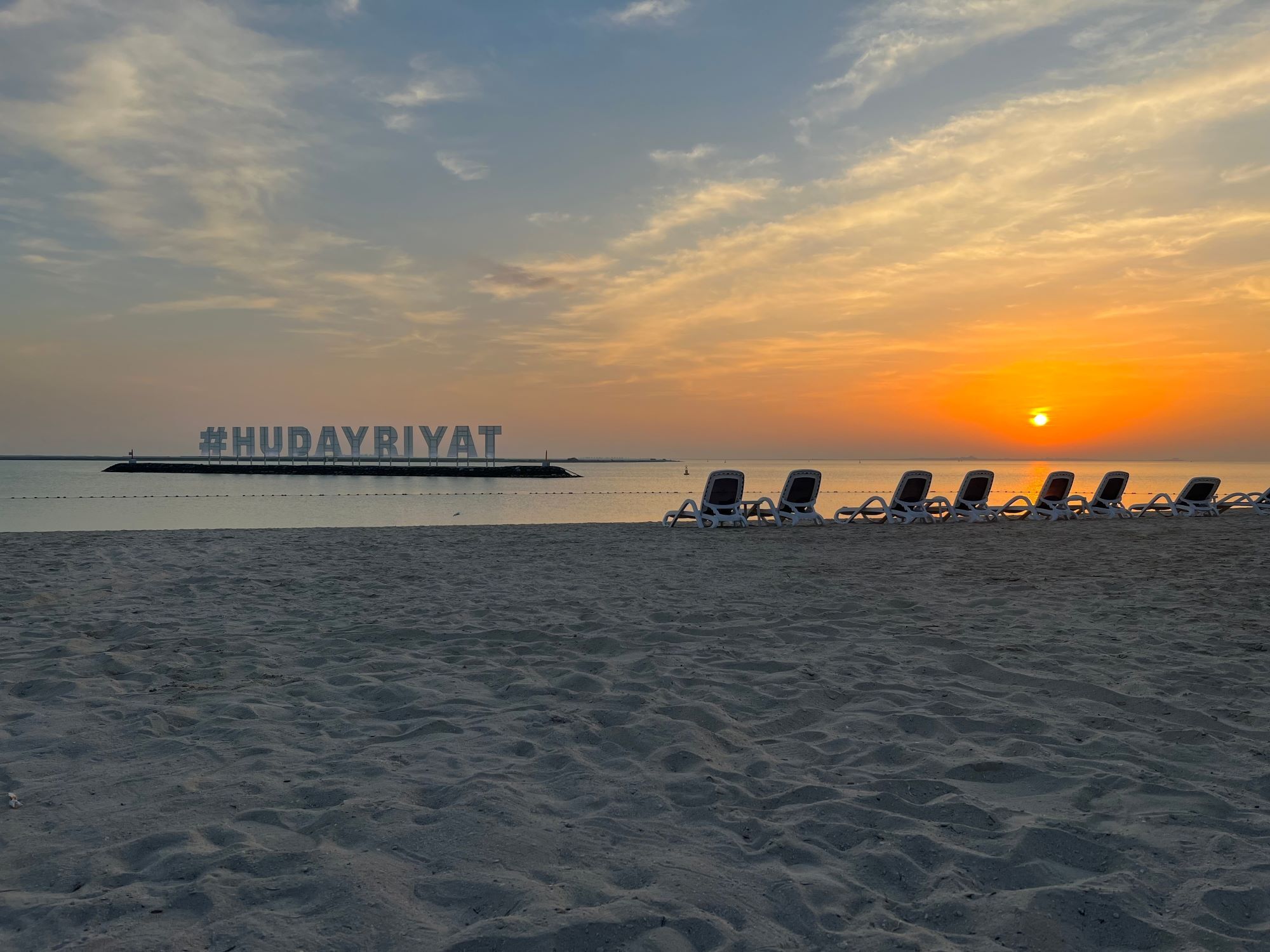
The Shams canal adds another useful outdoor route through the island. Its waterside paths, trees, bridges, and public spaces support walking, exercise, and casual meeting points close to home. These are the details that make Reem feel practical for daily life rather than dependent on occasional trips elsewhere.
Education, Healthcare and Family Life
Al Reem is well supplied for families, particularly compared with newer districts still waiting for schools and clinics to arrive. Repton Abu Dhabi is located on the island and offers British curriculum education from early years through to sixth form. Sorbonne University Abu Dhabi gives Reem a higher-education presence and adds to the island’s international profile.
Healthcare is also close at hand. Reem Hospital provides a wide range of medical services, while Mediclinic Reem Mall gives residents access to primary care inside the mall. For families, this matters. Schools, healthcare, supermarkets, cafés, parks, and retail are already part of the island’s built environment.
Building choice still needs care, as each tower has its own facilities, parking arrangements, service charges, and outlook. Yet the wider island already has the essentials of family life in place, which gives Reem a practical advantage over districts still moving through early delivery.
Investment Appeal
Al Reem’s investment case is rooted in how established the island has become. It is no longer a district carried mainly by plans. By Q1 2026, Abu Dhabi Real Estate Centre figures placed Reem Island among the emirate’s leading areas by transaction value, with AED 9.45 billion recorded during a quarter in which Abu Dhabi reached AED 66 billion in total real estate transactions.
Much of that confidence comes from the way Reem now functions. The island has delivered towers, schools, healthcare, parks, retail centres, and major road links, giving buyers a residential setting already in daily use. New projects continue to add interest, but they are being introduced into a market with an existing population, rental base, and resale activity.
Modon’s recent launches have kept that momentum visible. Muheira sold out on launch day, generating approximately AED 1 billion from 475 apartments, while Tara Park followed with 834 residences across six towers and close to AED 2 billion in sales. For buyers, these results point to steady demand for well-positioned homes on an island that already has the practical structure of a mature address.
For investors, Al Reem’s appeal lies in that balance. It has the reassurance of an established district, with the benefit of new infrastructure, fresh residential stock, and a growing retail and community offer. Its value rests not only on skyline and waterfront views, but on the fact that the island works well in everyday life.