Published: 4 September 2026
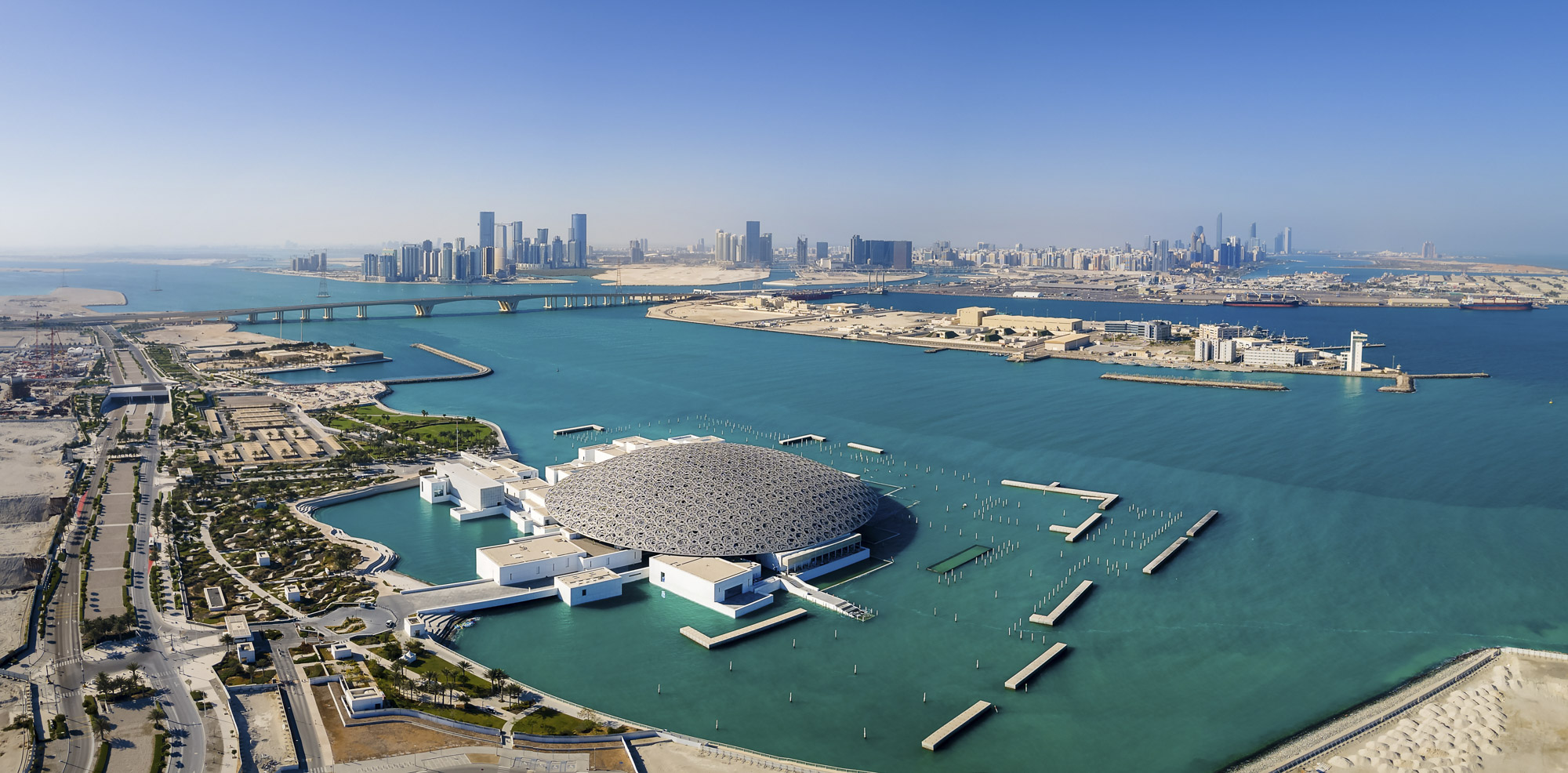
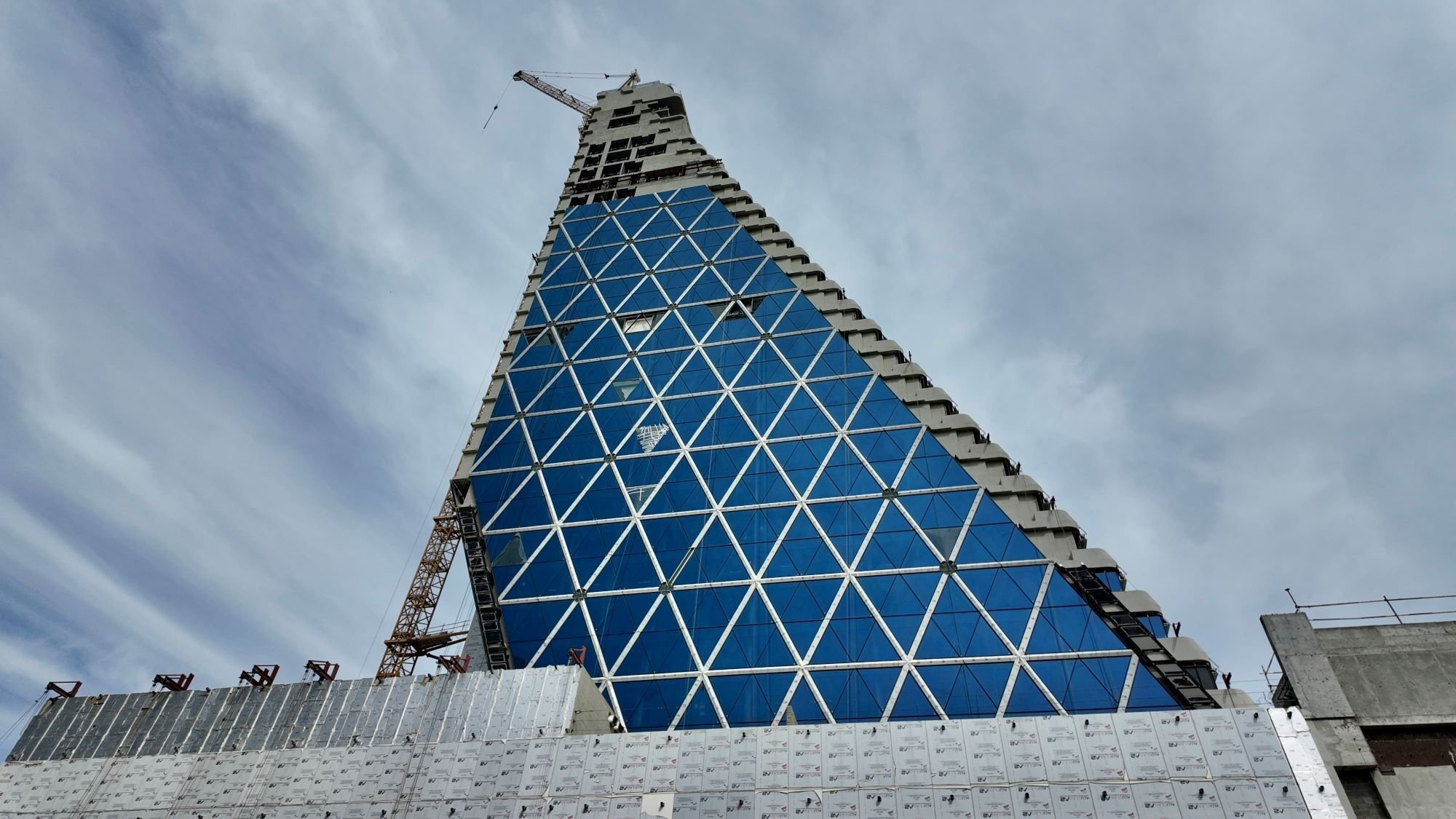
Mondrian Abu Dhabi occupies a particularly revealing position beside the canal, facing Al Reem and Al Maryah islands with downtown behind it. The setting reflects the capital’s growth, placing the hotel between its established centre and two island districts that now play an increasingly important role in its residential and financial life.
Although it will be Mondrian’s first hotel in the UAE, the brand is not new to the Gulf. Mondrian Doha opened in 2017 with exuberant interiors by Marcel Wanders; the Abu Dhabi property takes a more restrained course under Tristan du Plessis. That contrast is instructive. Mondrian does not impose one house style, but appoints different designers to interpret the character and social habits of each city.
A Hotel at the City’s Hinge
Current plans comprise 210 rooms and suites across 15 floors, all with city or waterfront views. An earlier Ennismore announcement also included 80 serviced apartments. Conventional rooms accommodate the brief visit; apartments answer the less tidy reality of modern travel –project work, relocations and stays measured in weeks rather than weekends.
The address supports both. The Corniche and Abu Dhabi Mall belong to the established centre, while The Galleria and the commercial towers of Al Maryah lie across the water. Sorbonne University Abu Dhabi is on Al Reem. Since Abu Dhabi Global Market expanded to include both Al Maryah and Al Reem, the two islands have formed a 14.38-million-square-metre international financial district. Mondrian will overlook a working part of the capital, not a waterfront composed solely for leisure.
The mix of guests will change throughout the day. At breakfast, apartment residents may sit beside business travellers; by lunchtime, local diners will join them, and the mood will shift again in the evening. A well-run city hotel takes these changes in its stride, allowing each group to feel equally at ease.
What the Mondrian Name Implies
Mondrian belongs to Ennismore, the lifestyle-hospitality company formed as a joint venture with Accor in 2021. Its hotels share an emphasis on art, restaurants and public programming, but are not intended to resemble one another room for room. Mondrian Doha has Marcel Wanders’s fantastical interiors; in Hong Kong, local art, performance and a public exhibition space connect the hotel with Tsim Sha Tsui.
The distinction is worth keeping in mind. A lifestyle hotel can easily become a set of recognisable gestures– dramatic lights, saturated colour, a rooftop bar–repeated from one city to the next. The better examples treat the brand as a framework rather than a decorating manual. They account for local light, habits and the pace at which people occupy a room.
Tristan du Plessis has designed the Abu Dhabi interiors. Published images show curved furniture, large mirrors, geometric pattern and sculptural lighting, with stronger colour reserved for particular rooms and objects. A fuchsia meeting room sits at one end of the spectrum; the bedrooms shown by Mondrian are calmer, using cream, blue and softened pink. Guests may enjoy exuberance over dinner, but a bedroom must survive daylight, jet lag and a suitcase left open for a fortnight.
Design at Two Speeds
Scale makes Du Plessis’s brief more demanding. The 210 rooms, six dining venues, ballroom, four meeting rooms, children’s club, retail space and serviced apartments must all work within the same building. When the hotel is busy, routes need to be easy to follow, noise kept in check and private areas protected from the movement created by restaurants and events. These practical matters will count every bit as much as the more striking pieces of furniture and lighting.
This becomes especially important in the serviced apartments. A weekend guest may overlook limited storage or awkward lighting, but someone staying for several weeks will live with such details day in, day out. Luggage needs a proper place, rooms must work from breakfast onwards, and residents should be able to reach the gym or a meeting without crossing a crowded function. Colour may catch the eye, but these quieter decisions determine how comfortably the building is used.
Water adds another dimension. The roofdeck pool offers height and a broad outlook, while the Crystal Lagoon is planned as a more expansive poolside setting edged by lounges and daybeds. It is an unusual combination for a hotel in central Abu Dhabi, allowing guests to spend time beside the water while the canal and the city remain close at hand.
Restaurants Before Room Keys
Six restaurants and bars are planned, with Fi’lia the first to be described in detail. The Italian restaurant is built around recipes passed through three generations of women, moving from nonna and traditional cooking to mamma and figlia, who bring increasingly contemporary interpretations. Mediterranean influences will also run through the menu.
For hotel restaurants, overnight guests provide one audience, but returning local diners give them staying power. A busy Friday evening is one thing; weekday lunches and regular bookings are the bread and butter of a dining room that works throughout the year.
The other five concepts have yet to be presented in comparable detail. Their success will depend on how well they divide the day. Morning coffee, business lunch, dinner and late-evening drinks each require a different pace and atmosphere. If that balance is handled well, the hotel can remain active from breakfast until late without its venues competing for the same occasion.
A Hotel Still Taking Shape
The spa, gym, rooftop pool and lagoon will sit alongside a ballroom, meeting rooms and a children’s club. For longer-stay residents, these facilities should make daily life easier, while local visitors will be able to use the restaurants, spa and event spaces without booking a room.
This broad programme comes as Abu Dhabi prepares to expand its hotel supply from 34,000 rooms in 2023 to 52,000 by 2030. Within that growth, Mondrian brings a more urban and visually expressive kind of hotel, placed in the city centre rather than within a self-contained coastal resort.
The Mondrian name has an artistic history of its own. The first hotel to bear it opened in Los Angeles in 1984 as a tribute to Dutch painter Piet Mondrian, with a nine-storey façade carrying Yaacov Agam’s L’Hommage à Mondrian. The Abu Dhabi hotel does not reproduce the painter’s familiar red, blue and yellow grid. Instead, Tristan du Plessis uses geometry, mirrors and carefully placed colour more loosely, allowing the artistic connection to remain in the background rather than turning the interiors into a literal homage.
More than four decades after that Los Angeles debut, Mondrian Abu Dhabi takes its cue from the capital itself, adapting the brand’s artistic roots to the practical rhythms of city life.
Image Credit: Me.Karim1983 / Shutterstock.com